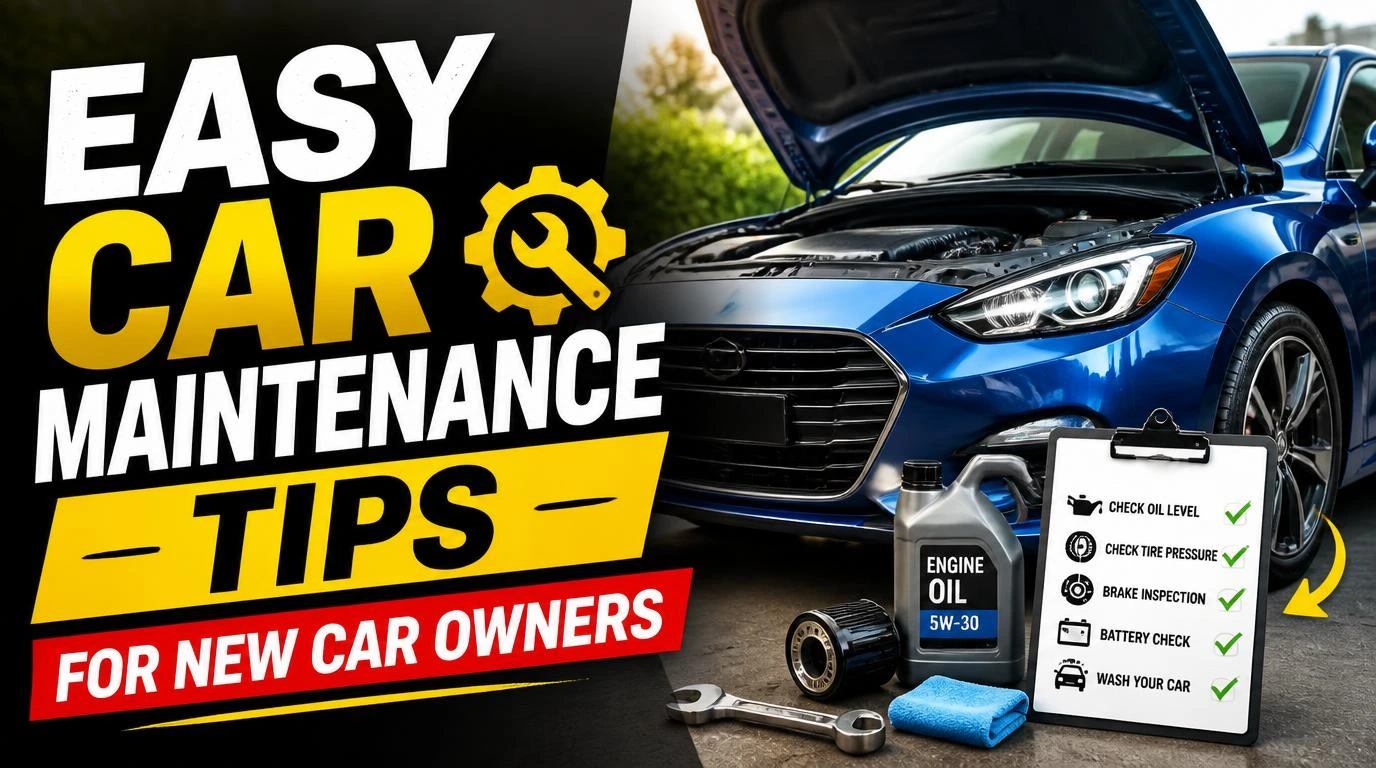
Easy car maintenance tips for new car owners would have saved me about $2,400 in my first year of owning a car. I drove my used 2016 Honda Civic off the lot feeling invincible. Six months later, I was staring at a repair bill because I never checked the coolant. Not once. The truth is, nobody teaches you this stuff, and your car’s owner’s manual reads like a phone book from 1997. So I learned the hard way, and now you don’t have to.
1. Check Your Oil Like It’s Your Bank Account
Your engine oil is the single most important fluid in your car. Without clean oil, metal parts grind against each other, overheat, and eventually destroy your engine. That’s a repair bill that can easily hit $4,000 or more.
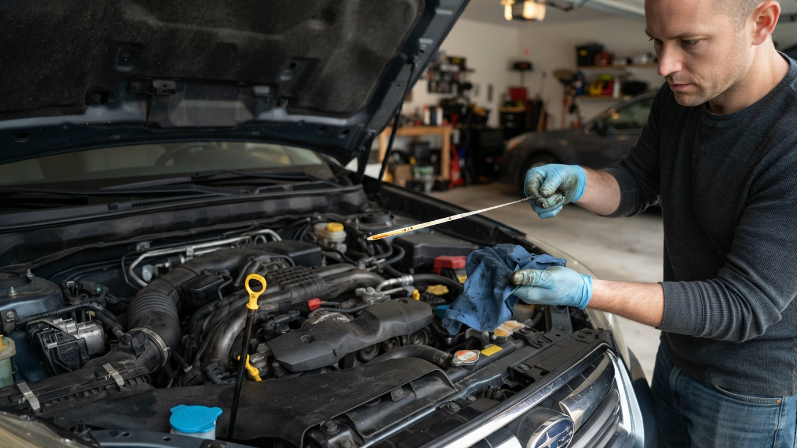
Pop the hood, pull the dipstick, wipe it clean, reinsert it, and pull it again. You want the oil level between the two indicator marks, and the color should be amber or light brown. If it looks dark and gritty like coffee grounds, you’re overdue for a change. Most modern cars need an oil change every 5,000 to 7,500 miles, but check your owner’s manual for specifics. I use full synthetic oil from Mobil 1 or Castrol, and honestly, the extra few dollars per change is worth the longer engine life. Set a reminder on your phone. Future you will be grateful.
2. Keep Your Tires Properly Inflated
Under-inflated tires are sneaky. They don’t look flat until they’re dangerously low, and by then you’ve already burned through extra gas and worn the tread unevenly. Over-inflated tires aren’t great either because they reduce your grip on the road, especially in rain.
Grab a simple tire pressure gauge from any auto parts store for about $5. The recommended PSI for your car is printed on a sticker inside the driver’s door jamb, not on the tire itself (that number is the maximum, not the target). Check pressure once a month, ideally when the tires are cold, meaning before you’ve driven more than a couple of miles. I keep my gauge in the glove box so I never have an excuse to skip it. This one habit alone improved my gas mileage noticeably within the first month.
3. Learn Where Your Fluids Live
Your car runs on more than just gasoline. There’s coolant, brake fluid, transmission fluid, power steering fluid, and windshield washer fluid. Each one has a reservoir under the hood, and most of them have clear markings showing minimum and maximum levels.
You don’t need to become a mechanic. Just open the hood once a month and do a quick visual scan. If any reservoir looks low, top it off with the correct fluid. I once let my coolant run low during a Texas summer and my engine temperature gauge shot into the red zone on the highway. That’s a panic you only experience once before you start checking regularly. Your owner’s manual will tell you exactly which fluids go where. FYI, mixing the wrong coolant types can actually damage your cooling system, so pay attention to the color and type your car requires.
4. Replace Your Windshield Wipers Before You Need Them
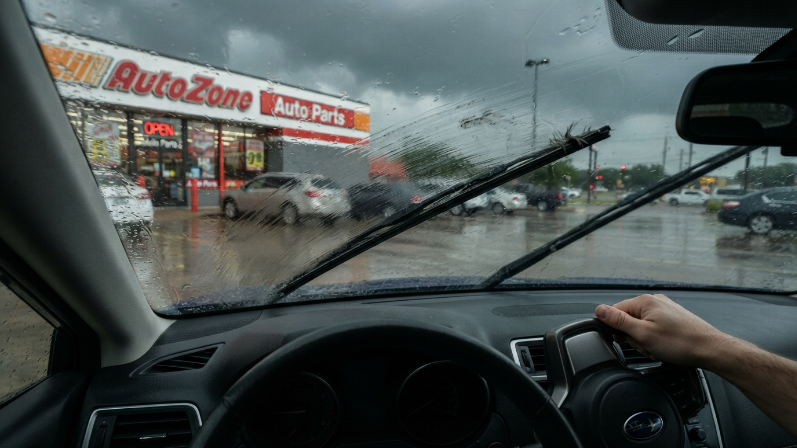
Nothing feels worse than flipping on your wipers during a sudden downpour and watching them smear everything into a blurry mess. Old wipers don’t just streak, they compromise your visibility in exactly the moments when you need it most.
Wiper blades typically last about six months to a year, depending on your climate. If you notice streaking, skipping, or squeaking, replace them immediately. Brands like Bosch ICON and Rain-X Latitude hold up really well in my experience. The best part is that replacing wipers takes about two minutes and costs between $15 and $30 for a pair. You can do it right in the parking lot of your local AutoZone. I swap mine every spring and fall so I’m never caught off guard when the weather turns.
5. Pay Attention to Your Brakes
Your brakes will actually tell you when something is wrong if you know what to listen for. A high-pitched squealing sound usually means your brake pads are wearing thin. A grinding noise means you’ve gone past the pads and metal is hitting metal, which is both dangerous and expensive.
Most brake pads last between 25,000 and 65,000 miles depending on your driving style. City driving with lots of stop-and-go wears them faster than highway cruising. If your brake pedal feels spongy or you notice your car pulling to one side when you stop, get it inspected right away. I had my first brake pad replacement at around 35,000 miles, and it cost me about $250 at a local shop. Catching it early saved me from needing new rotors, which would have doubled the price.
6. Don’t Ignore the Check Engine Light
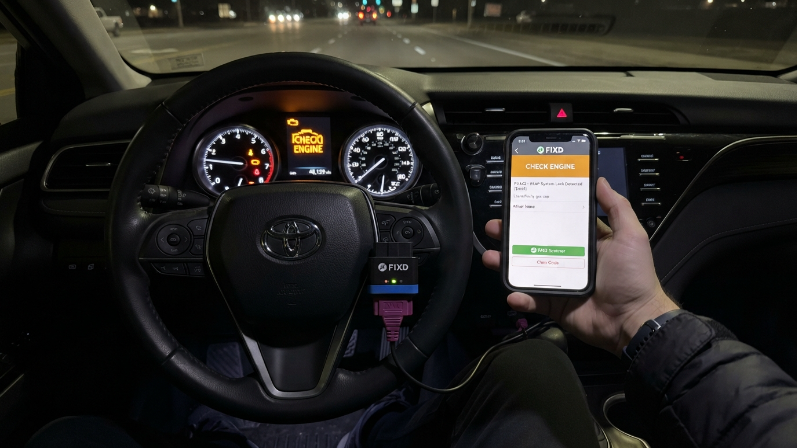
That little orange light on your dashboard isn’t just decoration. It’s your car’s way of saying something needs attention, and ignoring it is one of the most expensive mistakes new car owners make.
A blinking check engine light means pull over soon because something serious is happening. A steady light could be anything from a loose gas cap to a failing catalytic converter. Pick up a cheap OBD2 scanner from Amazon for around $20 to $30. Brands like FIXD or BlueDriver plug right into a port under your steering column and give you the trouble code on your phone. I’ve used mine to diagnose minor issues that would have cost $100 just for a shop to read the code. Sometimes the fix is as simple as tightening your gas cap and clearing the code.
7. Stick to a Maintenance Schedule
Car maintenance for new owners feels overwhelming because there’s no obvious starting point. But your owner’s manual contains a maintenance schedule that lays everything out by mileage or time, whichever comes first.
Oil changes, tire rotations, air filter replacements, spark plugs, timing belts. It’s all mapped out for you. I took a photo of the maintenance schedule in my Civic’s manual and saved it to my phone’s photo album so I could reference it anytime. Some dealerships and apps like Drivvo or Simply Auto also let you log your maintenance and send reminders. Staying on schedule doesn’t just keep your car running well, it also preserves your resale value. Buyers love seeing a complete service history when you eventually sell or trade in.
8. Wash Your Car More Than You Think You Should
This sounds cosmetic, but regular washing is genuinely protective maintenance. Road salt, bird droppings, tree sap, and bug splatter all eat away at your paint over time. Left long enough, they cause rust and permanent damage.
Wash your car every two weeks, or weekly if you live somewhere with harsh winters or lots of road construction dust. Pay special attention to the undercarriage where salt and grime collect. I use a two-bucket wash method at home with a microfiber mitt and a pH-neutral car shampoo like Meguiar’s Gold Class. It takes about 30 minutes and costs almost nothing compared to professional detailing. Once or twice a year, apply a coat of wax or a ceramic spray sealant to add an extra layer of protection. Your paint will thank you three years down the road.
Easy Car Maintenance Tips for New Car Owners: The Stuff Nobody Mentions
Beyond the obvious items, a few smaller habits make a real difference. Keep a small emergency kit in your trunk with jumper cables, a flashlight, a first aid kit, and a tire pressure gauge. Learn where your spare tire is and how to use your jack before you actually need it on a dark roadside.
Also, find a trustworthy local mechanic early. Don’t wait until something breaks to start Googling shops with decent reviews. Ask friends or neighbors for recommendations. A good mechanic will be honest about what actually needs fixing and won’t try to upsell you on unnecessary services. I found mine through a coworker, and he’s saved me hundreds of dollars by telling me when something could wait versus when it needed immediate attention.
Frequently Asked Questions
How often should a new car owner check their oil?
Check your oil once a month and before any long road trips. Modern synthetic oils last longer than conventional ones, but regular checks catch slow leaks or burning issues before they become serious. It takes less than two minutes, and it’s the single easiest habit you can build as a new car owner.
What are the most important easy car maintenance tips to start with?
Start with oil checks, tire pressure, and fluid levels. These three things take about ten minutes total per month and prevent the most common (and most expensive) problems. Once those become second nature, add in wiper blade checks and brake inspections. Building the habit matters more than doing everything at once.
Do I need to follow the dealership maintenance schedule exactly?
Your owner’s manual schedule is the one to follow, not whatever the dealership recommends for extra services. Dealers sometimes push flushes or treatments that aren’t actually due yet. Stick to what the manufacturer says and you’ll stay in good shape without overspending on unnecessary work.
Can I do basic car maintenance myself or should I go to a shop?
You can handle oil checks, tire pressure, wiper blade replacements, topping off fluids, and changing air filters yourself with no special tools. Brakes, timing belts, and transmission work should go to a professional unless you have real mechanical experience. IMO, doing the small stuff yourself builds confidence and saves a surprising amount of money.
How much should new car owners budget for yearly maintenance?
Plan for around $500 to $700 per year for a newer car in good condition. That covers oil changes, tire rotations, filters, and wiper blades. Older or high-mileage cars might run closer to $1,000 to $1,200 depending on what needs replacing. Setting aside $50 to $60 a month keeps surprise bills from wrecking your budget.
Conclusion
Owning a car doesn’t have to feel like a second job. A few simple habits each month will keep your car reliable, keep your wallet heavier, and save you from those stressful breakdown moments nobody wants. What’s the first maintenance task you’re going to tackle this weekend?