
The top upcoming SUV releases for the next year have me genuinely excited for the first time in a while. Automakers aren’t just slapping bigger screens on the same old platforms anymore. They’re rethinking powertrains, redesigning interiors from scratch, and actually competing on things that matter to real buyers. I’ve spent the last few months tracking every announcement, leak, and prototype spy shot I could find. Some of these models are going to shake up entire segments.
1. 2026 Toyota 4Runner TRD Pro
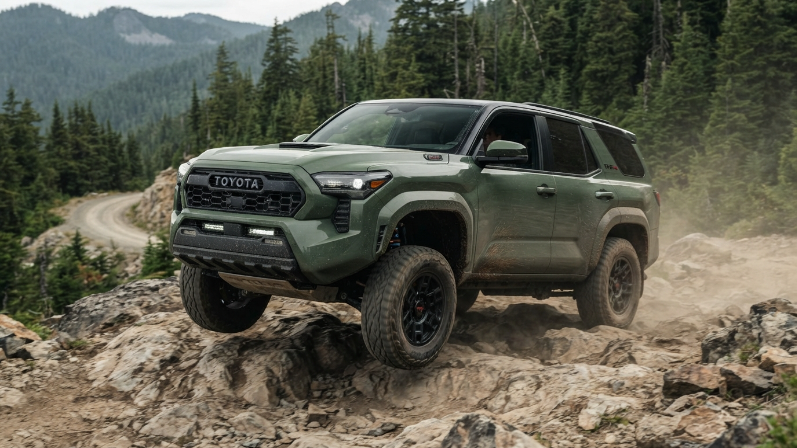
Toyota completely overhauled the 4Runner for 2025, but the 2026 model year brings the TRD Pro trim that off-road enthusiasts have been holding out for. Built on the same TNGA-F platform as the new Tacoma and Land Cruiser, this thing is purpose-built for trails.
The turbocharged 2.4-liter four-cylinder paired with an eight-speed automatic puts out around 278 horsepower. That might sound modest on paper, but the torque curve is meaty right where you need it for crawling over rocks. FOX internal bypass shocks, a locking rear differential, and Toyota’s Multi-Terrain Select system come standard on the TRD Pro. I’ve driven the standard 2025 4Runner on pavement and moderate trails, and the chassis felt remarkably composed. The TRD Pro version should be something special. Expect pricing to land somewhere around $58,000 to $62,000.
2. 2026 Hyundai Palisade Refresh
Hyundai isn’t letting the Palisade coast on its reputation. The mid-cycle refresh expected to hit dealerships in early 2026 brings sharper exterior styling, a reworked infotainment system, and significant interior material upgrades. The current Palisade already embarrasses some luxury SUVs at half the price, so better materials here feel almost unfair.
Under the hood, the familiar 3.8-liter V6 sticks around with 291 horsepower, though rumors suggest a hybrid option might finally join the lineup. If Hyundai prices a hybrid Palisade under $48,000, it’ll be incredibly hard for the competition to keep up. The second-row captain’s chairs in the current model are already some of the most comfortable I’ve sat in at this price point. A refresh that makes the tech and styling match that comfort level? That’s a strong package.
3. 2026 Chevrolet Equinox EV (Expanded Trims)
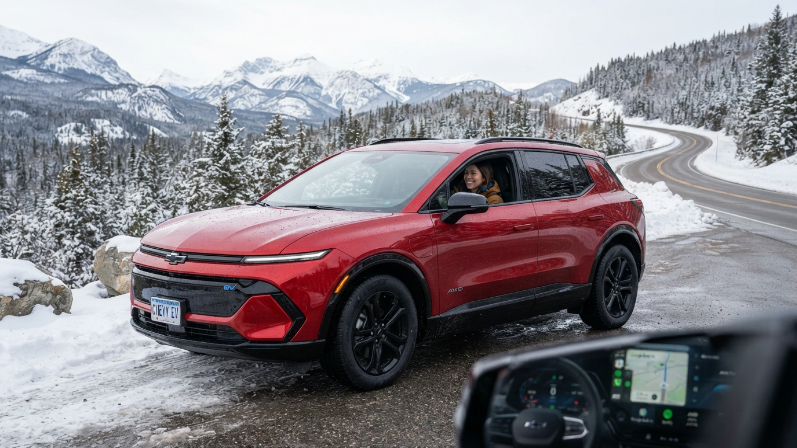
GM launched the Equinox EV in 2024, and it immediately became one of the most affordable electric SUVs on the market. For 2026, Chevy is rolling out additional trim levels and expanding production to meet demand that frankly caught them off guard.
Starting around $33,000 before federal tax credits, the Equinox EV offers roughly 319 miles of range on the top trims using GM’s Ultium battery platform. I’ve spent time in the current model, and the interior feels a full class above what you’d expect at this price. The 11.3-inch touchscreen runs Google Built-In software that’s fast and responsive. AWD variants with a dual-motor setup should arrive in 2026, which adds real appeal for buyers in northern climates who need winter traction but want to go electric.
4. 2026 BMW iX3 (Next Generation)
BMW is going back to basics with the next-generation iX3, building it on their Neue Klasse architecture that’s designed from the ground up for electric powertrains. Forget the quirky styling experiments of recent years. Early design previews suggest a cleaner, more athletic look that feels more like classic BMW.
Range estimates hover around 370 miles, which puts it right in Tesla Model Y territory. The interior will feature BMW’s new Panoramic Vision head-up display that stretches across the entire width of the windshield. That sounds gimmicky until you see it in prototype form, and then it just makes sense. Expect pricing to start near $58,000, making it competitive with the Tesla Model Y Performance and the Genesis GV60. BMW needs a win in the electric SUV space, and this feels like their best shot yet.
5. 2026 Kia EV9 GT
Kia’s EV9 already proved that a three-row electric SUV could work brilliantly. The GT version coming in 2026 cranks up the performance in ways that feel borderline ridiculous for a vehicle this size. Dual motors producing over 500 horsepower in a family hauler? Sure, why not.
The standard EV9 handles better than any three-row SUV has a right to, thanks to its low center of gravity from the floor-mounted battery pack. The GT variant adds sport-tuned suspension, bigger brakes, and a more aggressive body kit that actually looks good rather than tacked on. I rode in the standard EV9 last year during a press event, and the interior space is genuinely cavernous. Zero-to-sixty times for the GT should land around 4.5 seconds. Pricing will likely push past $75,000, but for the performance and space you’re getting, that’s reasonable compared to similarly quick luxury SUVs.
6. 2026 Ford Explorer (Redesigned)
Ford is finally giving the Explorer a proper redesign after years of incremental updates. The new model rides on a refreshed rear-wheel-drive-based platform and ditches some of the complaints that plagued earlier versions, particularly the infotainment system and transmission calibration.
A 2.3-liter EcoBoost four-cylinder remains the base engine, but a new hybrid powertrain option pairs a 2.5-liter engine with an electric motor for significantly better fuel economy. Ford’s SYNC 4 system gets a major overhaul with faster processing, wireless Apple CarPlay and Android Auto, and a 13.2-inch center screen. Having owned a 2020 Explorer ST, I can tell you the bones of this platform were always solid. The electronics and software were what let it down. If Ford nails the tech this time, the Explorer could reclaim its spot as the default choice for families needing a midsize SUV. Pricing should start around $38,000 for the base model.
7. 2026 Porsche Cayenne Electric
Porsche confirmed an all-electric Cayenne is coming, and it represents a massive bet for the brand. Built on the new SSP Sport platform co-developed with Audi, this electric Cayenne targets over 400 miles of range and 800-volt architecture for blazing fast DC charging.
The current gas-powered Cayenne is already one of the best-driving SUVs money can buy. The challenge for Porsche is making the electric version feel just as engaging without the engine sounds and linear power delivery that make the current model so satisfying. Early reports from test drivers at the Nürburgring suggest Porsche has figured it out, using sophisticated torque vectoring across both axles to create a dynamic feel that matches or beats the combustion version. Pricing will almost certainly exceed $90,000, but Porsche buyers expect that. What they don’t expect is compromise, and Porsche seems intent on delivering none.
8. 2025 Mazda CX-70 PHEV
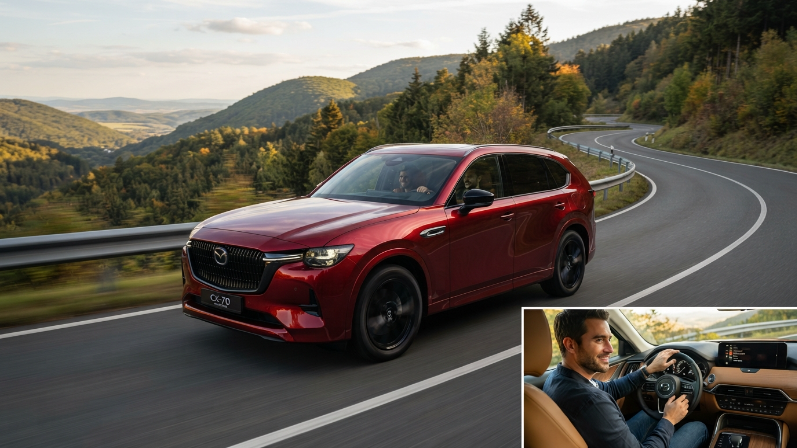
The CX-70 plug-in hybrid is already arriving at dealerships in late 2024 and into 2025, making it one of the most immediate entries among top upcoming SUV releases for the next year. Mazda built this as a two-row midsize SUV for buyers who don’t need a third row but want something that feels premium without the luxury badge price.
The PHEV powertrain combines a 2.5-liter inline-four with an electric motor for a combined 323 horsepower and roughly 26 miles of all-electric range. That electric range covers most daily commutes. The interior uses real wood, genuine leather, and soft-touch materials throughout. I sat in one at an auto show recently, and it genuinely felt like a $60,000 vehicle despite starting closer to $40,000. Mazda’s driving dynamics have always punched above their weight class, and the CX-70 continues that tradition with a rear-biased AWD system that makes it feel genuinely sporty on winding roads.
What Makes This Year’s SUV Lineup Different
Previous years gave us incremental updates and minor facelifts. This cycle feels fundamentally different. Automakers are responding to real market pressure from multiple directions simultaneously. EV adoption is accelerating but hasn’t replaced combustion entirely, so hybrid options are multiplying fast. Buyers want tech that actually works, not just big screens. And the quality gap between mainstream and luxury brands keeps shrinking.
The result is a batch of SUVs where a $35,000 Chevy competes on interior quality with vehicles twice its price, and where a $90,000 Porsche has to justify itself against a Kia that seats more people and accelerates nearly as fast. Competition like this benefits every buyer, regardless of budget.
Frequently Asked Questions
Which upcoming SUVs offer the best electric range?
The 2026 Porsche Cayenne Electric leads with an estimated 400+ miles of range, followed by the BMW iX3 at around 370 miles. The Chevrolet Equinox EV offers 319 miles on its top trims, which is impressive given its much lower price point. Range keeps improving across every segment as battery technology advances rapidly.
Are hybrid SUVs worth waiting for over fully electric models?
Hybrids make a lot of sense if you don’t have reliable home charging or frequently take long road trips. The Ford Explorer hybrid and Mazda CX-70 PHEV both offer strong fuel economy with zero range anxiety. If you mostly drive around town and can charge at home, a full EV saves you more money long-term on fuel and maintenance costs.
What’s the most affordable SUV release coming next year?
The Chevrolet Equinox EV wins this category handily, starting around $33,000 before any federal EV tax credits that might apply. After potential incentives, you could be looking at under $26,000 for a brand-new electric SUV with over 300 miles of range. That’s historically cheap for what you’re getting.
Which top upcoming SUV releases are best for off-roading?
The 2026 Toyota 4Runner TRD Pro stands alone here. Its body-on-frame construction, locking rear differential, FOX shocks, and Toyota’s proven off-road heritage make it the clear choice for serious trail use. Most other SUVs on this list prioritize on-road comfort and efficiency over rock-crawling capability.
Should I buy a current SUV now or wait for these new models?
If your current vehicle works fine and you’re not in a rush, waiting usually pays off. New model releases also push dealers to discount outgoing versions aggressively. You could either get a great deal on a 2025 model or buy the latest version with updated tech and powertrains. Either way, patience gives you more leverage at the dealership.
Conclusion
The SUV market heading into next year looks more competitive and more interesting than it has in a long time. Whether you’re eyeing an affordable EV, a luxury electric flagship, or an old-school off-roader, there’s something genuinely compelling on the way. So which one are you holding out for?