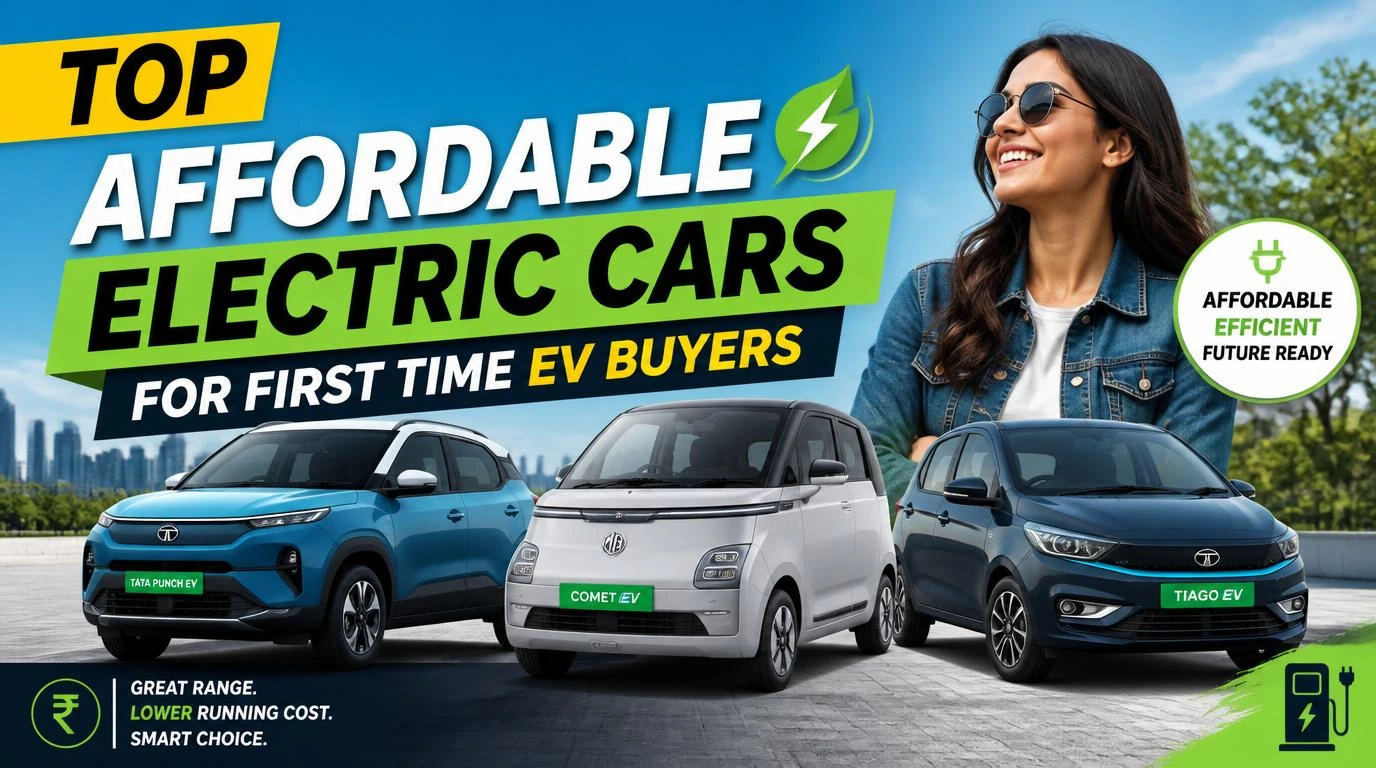
Buying your first electric car feels a lot like standing at the edge of a pool you’ve never swum in. You want to jump, but the prices, the range numbers, the charging lingo, it all makes you hesitate. I was right there two years ago, overwhelmed and skeptical. After months of test drives, spreadsheet comparisons, and way too many YouTube reviews, I finally made my pick. Here’s my honest buying guide to the top affordable electric cars for first time EV buyers so you can skip the headaches I went through.
Why First Time EV Buyers Should Prioritize Affordability
Your first EV doesn’t need to be a Tesla Model S or a BMW iX. Honestly, it probably shouldn’t be. When you’re switching from gas to electric for the first time, you’re still figuring out your charging habits, your real-world range needs, and whether you’ll actually use features like one-pedal driving. Spending $60,000 on that learning curve makes zero sense.
Starting with a more affordable EV lets you experience the electric lifestyle without the financial anxiety. You’ll figure out if home charging works for your setup, whether your daily commute eats through battery faster than expected, and how road trips actually play out with charging stops. I started with a budget-friendly option, and I’m genuinely glad I did. The lessons I learned in that first year would have been expensive ones in a pricier car.
A good target for first time buyers in 2025 sits between $25,000 and $40,000 before any federal or state tax credits. That range gives you solid options without forcing you into a car that feels cheap.
1. Chevrolet Equinox EV
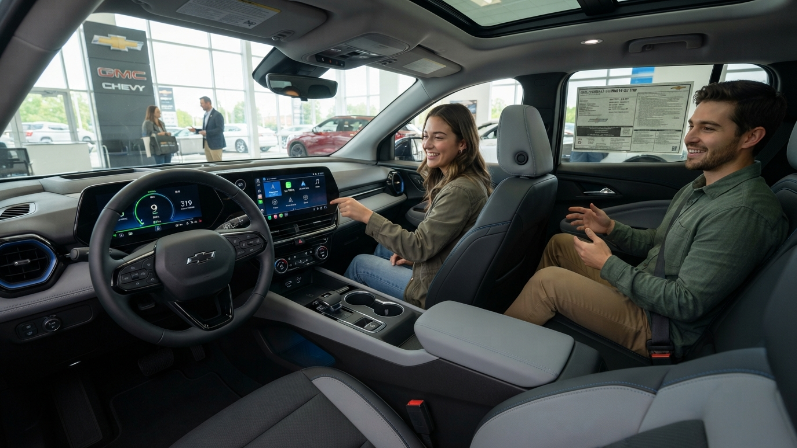
General Motors absolutely nailed it with the Equinox EV. Starting around $33,000 for the base 2LT trim, it gives you roughly 319 miles of range on a single charge. That’s more range than some EVs costing twice as much.
The interior doesn’t feel budget at all. You get an 11-inch infotainment screen, wireless Apple CarPlay and Android Auto, and a surprisingly roomy back seat. I sat in one at a dealer last spring and kept looking at the price sticker thinking there had to be a catch. There really isn’t. If you want an SUV-shaped EV that doesn’t compromise on range or tech, the Equinox EV is probably the strongest value on the market right now.

2. Nissan Leaf (Now the Nissan Ariya’s Little Sibling)
The Nissan Leaf has been around since 2010, which means Nissan has had over a decade to work out the kinks. You can find new 2024 models starting around $28,000, and used ones from recent years go for considerably less.
The 40 kWh battery gives you about 149 miles of range, which sounds low until you realize most Americans drive fewer than 40 miles a day. For commuting, errands, and daily life, the Leaf handles it without breaking a sweat. The one thing I’d flag: it uses CHAdeMO for fast charging, which is becoming less common at public stations. If most of your charging happens at home, that won’t matter much. The Leaf remains one of the most proven, reliable entry points into EV ownership.
3. Hyundai Ioniq 6
Hyundai’s Ioniq 6 turned heads when it launched, and the starting price of around $38,000 keeps it within reach for buyers who can stretch their budget slightly. With up to 361 miles of range on the SE Long Range RWD trim, this sedan competes directly with Tesla’s Model 3.
What impressed me during a test drive was the ride quality. It’s smooth, quiet, and composed in a way that makes highway driving genuinely relaxing. The 800-volt architecture means it charges from 10% to 80% in about 18 minutes on a 350 kW charger. That’s faster than most competitors in this price bracket. The styling is polarizing, I’ll give you that. Some people love the streamlined look. Others think it looks like a bar of soap. Drive it before you judge.
4. Chevrolet Bolt EUV (Used Market Gem)
Chevy discontinued the Bolt lineup after 2023, but that’s actually great news for first time buyers shopping used. You can find Bolt EUVs with low mileage for $20,000 to $24,000, making them one of the cheapest ways to go electric.
The EUV version gives you slightly more room than the standard Bolt, plus it was the most affordable vehicle in America to offer Super Cruise, GM’s hands-free highway driving tech (on higher trims). Range sits around 247 miles, and the interior is admittedly basic. No fancy materials, no massive screen. But everything works, the seats are comfortable enough, and GM replaced every battery under their recall program with new cells. That means your used Bolt EUV likely has a fresher battery than the odometer suggests.
5. Kia EV6
The Kia EV6 starts at about $35,000 for the Light RWD trim and pushes past $42,000 for AWD versions with the larger battery. If you can land the base or mid-range trim, you’re getting one of the most fun-to-drive affordable EVs available.
I drove an EV6 Wind trim for a weekend last fall, and the acceleration genuinely surprised me. Even the standard range model pulls hard off the line. It also shares Hyundai’s 800-volt platform, so ultra-fast charging is built in. The crossover body style gives you a usable hatch area with 24.4 cubic feet of cargo space, which fits a week’s worth of groceries plus a stroller without playing Tetris. Kia’s 10-year, 100,000-mile powertrain warranty adds peace of mind that few competitors match.
6. Tesla Model 3 (Base RWD)
You can’t write about affordable EVs and skip Tesla. The Model 3 RWD starts around $38,990 before the federal tax credit, and if you qualify for the full $7,500 credit, you’re looking at roughly $31,500.
Tesla’s Supercharger network is still the biggest advantage the brand holds over competitors. Road trips require less planning because Superchargers are everywhere, and now that other brands are adopting the NACS plug, the network is only growing. The Model 3 gets around 272 miles of range, the minimalist interior takes a few days to get used to, and the over-the-air software updates keep the car feeling fresh years after purchase. The downsides? Build quality can be inconsistent, and if you need to visit a service center, wait times vary wildly by location.
What to Look For as a First Time EV Buyer
Beyond picking a specific model, a few practical factors separate a smooth transition from a frustrating one. I wish someone had told me these things before I signed my paperwork.
Charging Setup at Home
If you own your home, installing a Level 2 charger (240-volt outlet) costs between $500 and $1,500 depending on your electrical panel situation. It’s worth every penny. Charging on a standard wall outlet works, but it’s painfully slow, sometimes adding only 3 to 5 miles of range per hour. A Level 2 setup fills most EVs overnight and eliminates any range anxiety for daily driving.
If you rent or live in an apartment, check whether your building has EV charging or whether nearby public chargers are convenient. This single factor should heavily influence which EV you buy and how much range you actually need.
Real Range vs. EPA Range
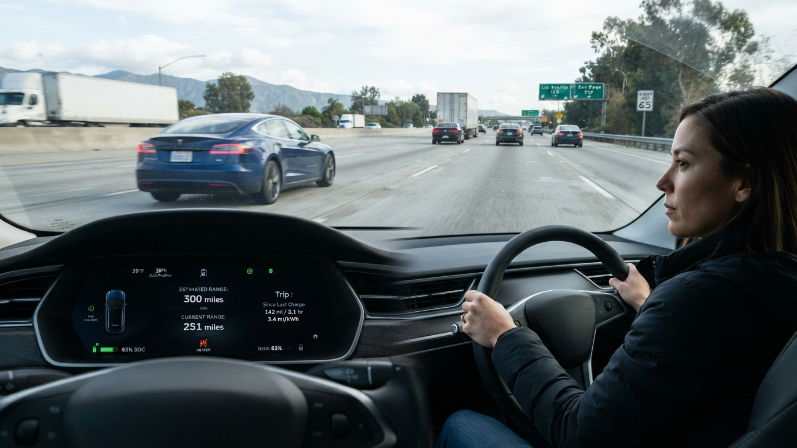
Every manufacturer quotes EPA-estimated range, and almost none of them hit that number consistently in real life. Cold weather, highway speeds, running the heater or AC, and even tire pressure all affect how far you’ll actually go. A good rule of thumb: expect about 80% to 85% of the advertised range in typical mixed driving. That 300-mile estimate? Plan for about 250 real-world miles.
Tax Credits and Incentives
The federal EV tax credit of up to $7,500 is still available for qualifying new EVs in 2025, and many states stack their own rebates on top. Some utilities even offer special EV charging rates during off-peak hours. Check the IRS Clean Vehicle Credit page and your state’s energy office website before buying. These savings can knock thousands off your final cost.
Top Affordable Electric Cars for First Time EV Buyers: How to Decide
With so many solid options, narrowing things down comes back to your personal situation. Here’s my honest breakdown of how to match a car to your life.
If your daily driving is under 100 miles and you want the lowest cost of entry, a used Chevy Bolt EUV is hard to beat. If you need SUV space and want the best new-car value, the Chevrolet Equinox EV sits in a class of its own right now. Want something sportier with ultra-fast charging? The Kia EV6 or Hyundai Ioniq 6 will make you smile every time you drive. And if you road trip frequently and want the least hassle with public charging, the Tesla Model 3 and its Supercharger access still win that category.
Test drive at least two or three of these before you commit. EVs feel different from gas cars, the instant torque, the regenerative braking, the silence. You won’t know what you like until you experience it.
Frequently Asked Questions
How much does it cost to charge an electric car at home?
Most EV owners spend between $30 and $60 per month on home charging, depending on local electricity rates and how much they drive. That’s roughly a third to a half of what you’d spend on gas for a comparable car. Charging during off-peak hours, usually late at night, saves even more. Your utility company might offer a dedicated EV rate that cuts costs further.
Are affordable electric cars reliable long term?
EVs generally have fewer moving parts than gas cars, which means fewer things break. No oil changes, no transmission issues, no exhaust system repairs. Battery degradation is the main long-term concern, but most manufacturers warranty their EV batteries for 8 years or 100,000 miles. The Chevy Bolt, Nissan Leaf, and Tesla Model 3 all have strong reliability records after years on the road.
What’s the best affordable electric car for first time EV buyers who road trip?
The Tesla Model 3 remains the most convenient road trip EV in this price range because of Supercharger availability. The Hyundai Ioniq 6 and Kia EV6 are close behind, thanks to their 800-volt architecture that enables 18-minute fast charges. Both brands now also have access to Tesla Superchargers through adapter plugs, which narrows the gap significantly.
Can I charge an electric car in the rain?
Yes, completely safely. EV charging systems are designed and tested to work in rain, snow, and wet conditions. The connectors, charging ports, and vehicle electronics all meet strict waterproofing standards. I’ve charged in pouring rain dozens of times without any issues. Just plug in like you normally would.
Do affordable EVs hold their value well?
Resale values for EVs are stabilizing in 2025 after some volatility in 2023 and 2024. Models with strong brand recognition, like the Tesla Model 3, tend to hold value best. The Hyundai Ioniq 6 and Kia EV6 are also showing solid resale numbers. Older EVs with shorter range, like early Nissan Leafs, depreciate faster because buyers prioritize range.
Conclusion
Switching to an electric car doesn’t require a six-figure salary or a leap of faith. The options available for under $40,000 in 2025 are genuinely impressive, and the savings on gas, maintenance, and tax credits add up fast. So which one caught your eye, and what’s the one thing still holding you back from making the switch?